




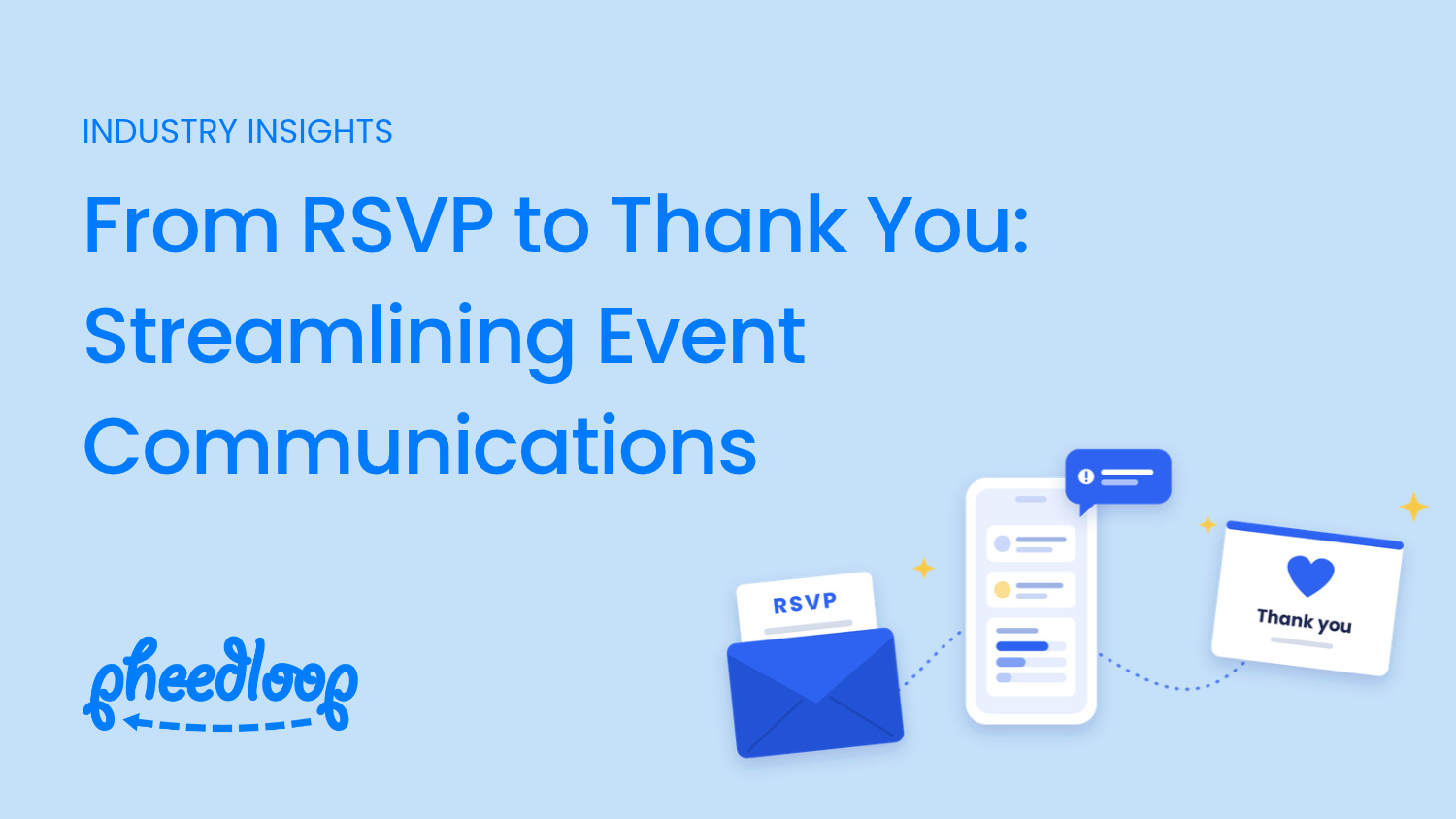
Your event’s success hinges on far more than just an impressive venue and delicious catering. It requires you to create consistent touchpoints with attendees, sponsors, and on-the-ground staff. When outreach is disorganized, you risk low attendance, confused guests, and lackluster post-event engagement.
In this article, we’ll explore how to structure your outreach before, during, and after your event to guarantee an engaging experience for everyone involved.
Before the Event
To maximize attendance and ensure all stakeholders arrive fully prepared, you must launch your communication strategy well before the venue doors actually open. This provides ample time for everyone involved to clear their schedules, review the necessary materials, and prepare what they need.
Implement these methods to engage your target audience and secure vital partnerships during the early planning stages:
- Launch targeted awareness campaigns. Promote your gathering early across multiple channels to build momentum and drive registrations. eCardWidget suggests you send digital marketing eCards, which you can tailor to your audience to make the message more appealing. If you want to send more details, such as schedules, you may consider leveraging email marketing. For short, time-sensitive reminders, SMS marketing is best.
- Secure sponsorships. Reach out to local businesses early to establish mutually beneficial partnerships. These alliances help fund specific programmatic elements or provide in-kind resources that elevate the overall attendee experience.
In your promotional materials, prioritize calls to action. Bonterra’s nonprofit event management guide suggests using urgent language, such as “Register Now” or “Donate Today,” to spur potential event attendees and sponsors into action.
During the Event
Once the event officially begins, the primary goal of your communication shifts from building anticipation to guiding complex logistics. To provide a smooth guest experience, you must provide immediate, accessible information that empowers attendees to navigate the venue and schedule with confidence.
Focus your technological and staffing resources on these essential communication points:
- Coordinate internal teams. Establish a dedicated channel where staff and volunteers can troubleshoot logistical issues. If you can handle catering delays or audio-visual glitches quietly behind the scenes, you’ll prevent operational difficulties from disrupting the attendee experience.
- Centralize attendee resources. Consolidate your agenda, speaker highlights, and venue maps (if your event is in-person) into concise physical handouts or a single digital asset. When guests can easily find basic information, they remain fully immersed in your programming.
- Keep attendees engaged. Active participation keeps supporters’ interest piqued. Consider hosting live polls and Q&A sessions via your event tech stack to encourage attendee engagement.
- Deliver real-time updates. Whether your event is live or online, inform attendees immediately of schedule changes, emergency announcements, or transitions to important segments. Keeping guests informed prevents confusion.
To gain more traction, assign specific staff members to increase your event’s visibility on social media in real time. Responding to guest questions or amplifying attendee photos online creates an interactive environment that bridges the physical and digital spaces.
After the Event
Communication in the days immediately following your event can convince one-time ticket buyers to become long-term supporters. Tailored thank-yous prove to your attendees that their involvement mattered to your mission.
Implement these post-event follow-up steps to solidify new relationships:
- Thank your attendees. Reach out immediately post-event with a warm, personalized thank-you message that highlights key moments, takeaways, or exclusive access to session recordings and photos.
- Deliver donor and sponsor acknowledgments. Promptly thank your financial supporters with tailored messages that summarize the event’s success. Demonstrating exactly how their specific financial investment made the gathering possible proves a strong return on investment and sets the stage for future sponsorship renewals.
- Recognize the staff who ran the event: Send thoughtful messages to the volunteers who kept your event running smoothly. You can also show your appreciation by giving them a shoutout on social media or offering small gifts like notebooks, shirts, and pens.
As part of your post-event communications, distribute impact surveys. Ask attendees for their honest feedback while the experience is still fresh in their minds. Collecting these responses provides your leadership team with actionable data for planning your next event.